

10 Best Renovations to Increase Home Value
A garage door replacement can return 194% to 349% in the Australian market, based on a 2025 Cost vs. Value report localised for Australia and cited by Redfin’s renovation ROI roundup. That’s a striking reminder that the best renovations to increase home value aren’t always the biggest or most glamorous ones. In Adelaide, value comes from choosing work that fits the suburb, the home’s style, and the way local buyers live.
That matters more now because Adelaide homes aren’t one-size-fits-all. A sandstone villa in the inner east, a 1990s family home in the north-east, and a coastal property in the west all respond differently to the same renovation budget. Hot summers, strong sun exposure, older housing stock, heritage constraints, and council approval pathways all shape what’s worth doing and what isn’t.
The projects below focus on renovations that improve sale appeal, everyday function, and long-term durability. Some deliver obvious visual impact. Others work because they solve buyer objections before they arise. In practice, the strongest result usually comes from combining a few smart upgrades rather than blowing the budget on one showpiece feature.
That’s also where many owners get caught. They overspend on finishes, chase trends that date quickly, or renovate past the ceiling of the suburb. In Adelaide, matching the renovation to the street and the target buyer is what protects value.
If you’re weighing inside improvements against exterior upgrades, it’s also worth looking at how to boost curb appeal and increase your home's value, because first impressions still carry real weight in buyer decision-making.
1. Kitchen Renovation
Kitchens consistently rank among the first rooms buyers inspect closely because they combine visual impact with expensive underlying work. If the kitchen feels dated, cramped, or poorly planned, buyers in Adelaide usually start pricing in the hassle of joinery, appliances, electrical upgrades, and possible structural changes.
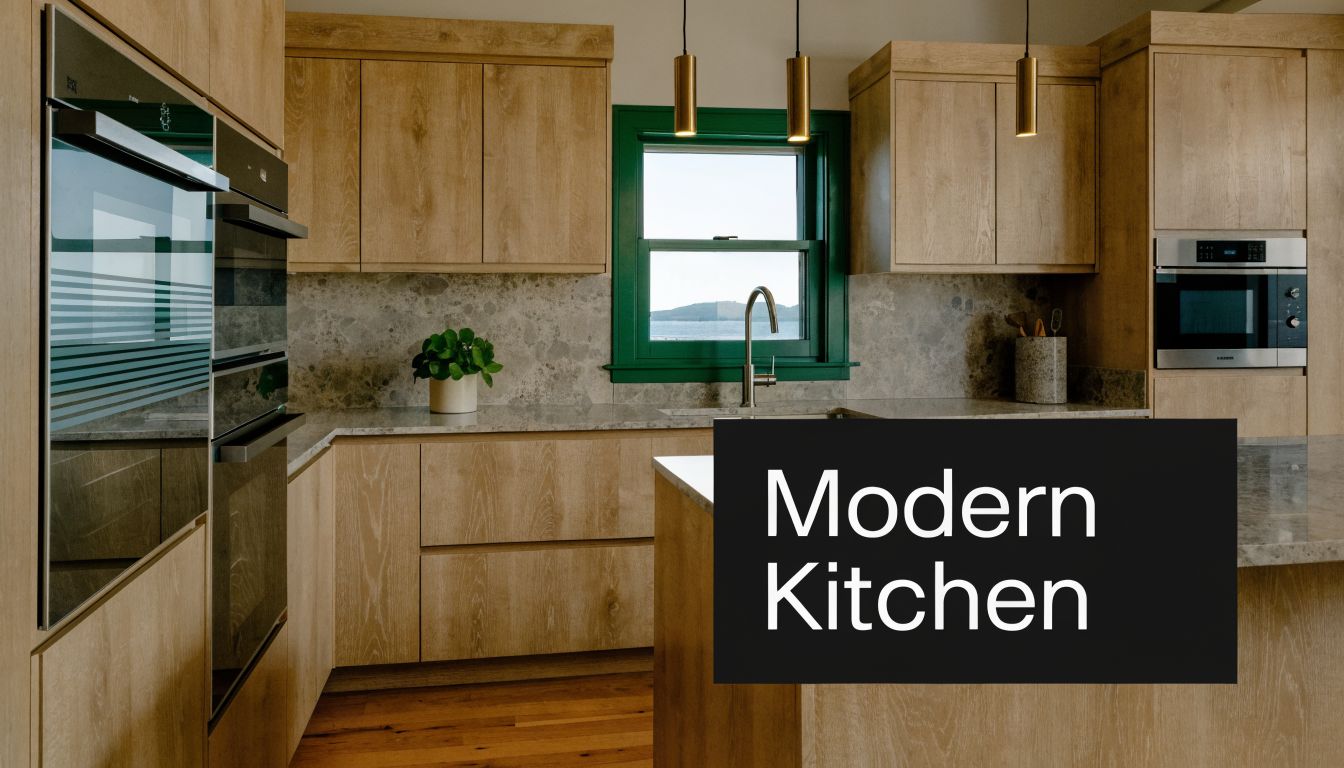
In Adelaide, strong kitchen value comes from layout, heat performance, and a finish level that suits the suburb. An overcapitalised kitchen in a modest post-war home can miss the mark just as easily as a cheap cosmetic update in a premium character property. The right scope depends on the house. A sandstone villa in Norwood or Unley often benefits from careful joinery and updated services while keeping period proportions. A 1960s or 1970s family home in the north-east often gets a better result from opening up circulation, adding pantry storage, and improving connection to dining and outdoor areas.
Buyers notice practical flaws fast. Poor bench space, awkward fridge placement, limited drawers, weak lighting, and low-grade cabinetry all stand out during an inspection. Splashbacks and handles are easy to change later. A bad plan is expensive to fix.
One common Adelaide example is the separate kitchen and dining layout found in older suburban homes. Removing or altering that divide can improve daily use and resale appeal, but the numbers need to work. Structural changes, lintels, rerouted services, patching ceilings, and matching floors add cost quickly. If the wall is load-bearing, the job also needs proper engineering and approval pathways handled correctly. On character homes or properties in heritage areas, that process can become more detailed again.
Good kitchen renovations also respond to Adelaide’s hot summers. West-facing glazing can make a kitchen uncomfortable and push up cooling costs. Better window selection, shading, ventilation, and appliance placement all matter. I’d usually put money into airflow, durable surfaces, and storage before spending it on a feature pendant or a trend-driven splashback.
A few selections tend to hold up well here:
- Cabinetry with practical storage: Deep drawers, full-height pantry units, and overheads that suit the ceiling height well.
- Hard-wearing benchtops: Quality engineered stone alternatives, porcelain, or other durable surfaces that handle family use and strong sunlight better than cheaper laminates in high-wear zones.
- Layered lighting: Task lighting over prep areas, ambient lighting for the room, and natural light managed to reduce glare and heat gain.
- Appliances chosen for the household: Induction suits many owners, but gas still appeals in some buyer segments. The better choice depends on the home’s services, solar setup, and target market.
The best result usually comes from planning the room as part of the whole house. Kitchen work often overlaps with flooring, doors, windows, and outdoor access, especially in extensions or rear reconfigurations. Builders who handle design, approvals, and construction under one roof can reduce costly handover issues between trades and consultants. For owners weighing kitchen work against other wet-area upgrades, this guide on adding value to your home with a bathroom renovation helps clarify where each budget delivers the better return.
Practical rule. Set the layout first, then choose finishes. A simpler kitchen that feels bright, works properly, and fits the Adelaide home it sits in will usually add more value than a showroom kitchen with the wrong plan.
2. Bathroom Renovation
Bathrooms shape buyer confidence faster than almost any other room because defects here are expensive to fix and easy to suspect. A dated bathroom in an Adelaide home often raises immediate questions about waterproofing, drainage falls, ventilation, mould, and whether the renovation was done to current standards under the National Construction Code and Australian waterproofing requirements.
That matters more in Adelaide than many owners expect. Hot summers, cooler winter mornings, and older housing stock can be a rough combination for wet areas, especially in solid brick villas, bungalows, and other character homes where ventilation was never a strong point. A bathroom that feels dry, bright, and well resolved will usually add more value than one loaded with fashionable fittings but built poorly.
Good bathroom upgrades also need to fit the house. In a compact character home, keeping plumbing close to its existing location can protect the budget and reduce approval and construction risk. In newer family homes across suburbs where a second bathroom or ensuite affects day-to-day use, adding one can strengthen resale appeal if the floor plan supports it. For owners comparing layout options, these home extension ideas for Australian homes are often relevant when a bathroom upgrade overlaps with a larger reworking of the rear of the house.
Where quality shows up
Bathroom work is unforgiving. Poor membrane installation, tile falls that leave water sitting, weak extraction, and sloppy set-out around niches, mixers, and shower screens all stand out once the room is in use.
The fittings matter, but the hidden work matters more.
A practical Adelaide bathroom usually gets value from a few things done properly:
- Ventilation sized for the room: Exhaust fans need to clear steam effectively, not just make noise. This is particularly important in older homes and bathrooms with limited natural airflow.
- Slip-resistant floor tiles: Good-looking tiles still need the right rating for a wet area. Buyers with children, older relatives, or long-term plans notice this.
- Storage that reduces clutter: Mirrored cabinets, recessed niches, and vanities with usable drawer storage make smaller bathrooms easier to live with.
- Materials that handle heat and cleaning: Cheaper laminates, low-grade tapware, and poor sealants tend to show wear faster in bathrooms that cop strong light or frequent use.
Layout carries a lot of weight as well. Wall-hung vanities can make a tight room feel larger and easier to clean, but they are not always the right call if the wall build-up becomes awkward or storage is lost. Frameless glass can open up a small space visually, though it needs precise installation and regular cleaning. In many Adelaide renovations, the best result is a simple layout with strong proportions, durable finishes, and enough clear floor space to move comfortably.
Owners of heritage-style homes need to be especially careful with bathroom renovations that affect external walls, windows, or additions at the rear. Approvals, detailing, and drainage all need to be handled properly so the new work does not fight the original house. That is one reason many clients prefer an end-to-end local builder. Templeton Built can handle design coordination, approvals, and construction in one process, which helps reduce the usual gaps between designer, trades, and certifier on wet-area work. For a closer look at budgeting and resale considerations, Templeton Built also explains how to add value to your home with a bathroom renovation.
The simple rule is this. If the budget is limited, renovate one bathroom properly. A clean, durable, code-compliant bathroom with good ventilation and sensible storage usually adds more value than two average ones with shortcuts hidden behind new tiles.
3. Home Extension
Extra living space can be one of the smartest ways to build value in Adelaide, especially when moving costs, land scarcity, and school-zone preferences make staying put more attractive. It’s also one of the easiest ways to overspend if the extension isn’t matched to the site, the street, and the resale ceiling of the suburb.
A local caution matters here. Domain’s 2025 renovation reporting found that 40% of Adelaide homeowners lose 8% to 15% of potential value by over-renovating beyond local comparable sales, as noted in OpenDoor’s discussion of value-adding improvements. That’s why the best extension isn’t always the biggest one.
What actually works in Adelaide suburbs
For many Adelaide families, the winning extension is at the rear. A larger kitchen-living-dining zone, a master suite, or a better connection to outdoor living often adds more practical value than a complicated second storey. On narrower allotments, a side return or carefully planned first-floor addition can work, but only if privacy, overshadowing, overlooking, and council controls are properly addressed.
Heritage and character homes need extra care. The front of the house often carries the value from a streetscape point of view, while the rear gives you more freedom to modernise. The trick is making the old and new feel resolved rather than stitched together.
A short video can help if you’re exploring the possibilities for layout and form:
Templeton Built also shares practical home extension ideas in Australia that suit different family setups and block conditions.
Trade-offs owners often miss
Extensions involve more than adding floor area. You also need to think about rooflines, stormwater, slab levels, insulation, window placement, and how the old section of the home will feel once the new part is finished.
- Rear access: Tight sites can increase build complexity and affect program sequencing.
- Council approvals: DA pathways can be straightforward or drawn out depending on overlays, streetscape issues, and site constraints.
- Thermal comfort: Large expanses of west-facing glass look appealing on plans but can perform poorly in Adelaide summers without proper shading and glazing choices.
The strongest extensions feel like they belong to the original home and fix a real planning problem at the same time.
4. Flooring Replacement
Flooring is one of the quickest ways to change how buyers read a house. They notice it the moment they walk in. If the floor is scratched, stained, patched, or inconsistent from room to room, the whole property feels less resolved. If it’s clean, durable, and visually consistent, the house feels better cared for.
This renovation doesn’t need dramatic design to work. In fact, the best result is usually restraint. In Adelaide family homes, broadloom carpet in every room rarely gives the strongest resale outcome. Buyers often respond better to timber, engineered timber, hybrid planks, or quality tiles in the right zones, with carpet reserved for bedrooms where comfort matters more.
Choose flooring for the house, not the showroom
A character villa usually wants a different flooring approach from a newer townhouse. In heritage homes, preserving or restoring existing timber boards can support the home’s original appeal. In contemporary homes, larger-format tiles or well-chosen timber-look products can create a cleaner line through open-plan spaces.
Adelaide’s climate matters too. Hot summers, dust, and everyday indoor-outdoor traffic mean highly polished dark floors can become a maintenance headache. Mid-tone finishes often hide wear better and feel more forgiving in real life.
A few practical pairings work well:
- Character homes: Restored boards in hallways and living areas, with sympathetic tile selections in wet zones.
- Family homes: Durable hybrid or engineered timber through high-traffic spaces where kids, pets, and daily use matter.
- Modern townhouses: Large-format tiles downstairs and softer flooring upstairs for comfort and acoustic balance.
Floor replacement adds value when it creates continuity. Mixing too many products usually makes a home feel chopped up.
Subfloor preparation is where this job is won or lost. Uneven substrates, poor moisture control, and rushed transitions at doorways will undermine even expensive products. Buyers may not name the defect, but they’ll feel it underfoot.
If there’s one mistake to avoid, it’s selecting flooring purely for style photos. The product has to suit how Adelaide homes are used.
5. Roof Replacement
Roof work isn’t glamorous, but it protects everything beneath it. If the roof is failing, buyers start pricing in future cost straight away. Even when they don’t see obvious leaks, they notice sagging lines, tired ridge capping, rusting flashings, old gutters, or signs that the house hasn’t been maintained properly.
In Adelaide, roof condition matters more than many owners expect because the climate is hard on materials. Strong UV exposure, heat load, occasional heavy rain events, and wind-driven weather all test older roofs. On character homes, the roof also contributes heavily to street appeal. On newer homes, it affects thermal performance and long-term upkeep.
Replacement versus restoration
Not every roof needs full replacement. Some older tiled roofs can be restored successfully if the structure is sound and the problems are mostly surface-level. Others have reached the point where patching becomes false economy. Corroded fixings, repeated leak repairs, and poor previous work often mean replacement is the cleaner path.
For resale, a solid new roof can remove a big objection. It signals that major maintenance has been addressed, and it gives the next owner confidence that they won’t be inheriting urgent repair work.
A few practical considerations matter on Adelaide jobs:
- Ventilation: Roof ventilation affects summer comfort more than many owners realise.
- Material selection: The right profile and finish should suit the home’s style, not fight it.
- Solar readiness: If solar is planned now or later, roof design and service routing should be thought through early.
Homes in heritage streets need extra sensitivity. The wrong roof material or colour can jar with the façade and reduce the visual integrity of the whole property. That doesn’t mean you can’t modernise. It means the details need to be chosen carefully.
A good roof renovation adds value in two ways. First, it improves presentation. Second, it removes fear. The second benefit is often the one that matters most in negotiations.
6. Window and Door Replacement
Old windows and doors can make a home feel tired, hot, noisy, and insecure. Replacing them often lifts value because the improvement is both visible and practical. Buyers notice smoother operation, cleaner frames, better natural light control, and a quieter interior.
This is especially relevant in Adelaide, where summer heat puts pressure on glazing performance. West-facing rooms can become uncomfortable quickly if windows are undersized, poorly shaded, or fitted with outdated glass. Well-planned replacement work can improve comfort without changing the character of the house.
Focus on the problem elevations
Not every opening needs to be replaced at once. Some homes get the best return by targeting the worst-performing windows first. That may be a western living room that bakes in late afternoon, a front bedroom exposed to traffic noise, or an old sliding door that leaks air and sticks on its track.
Heritage homes need a balanced approach. New joinery should respect proportions, sightlines, and streetscape expectations. In newer homes, black-framed aluminium or broader sliding openings can sharpen the architecture, but they still need good seals, proper flashing, and suitable glazing selections.
If you’re also looking at exterior envelope upgrades, Does a new roof increase home value is a useful companion read because buyers often judge windows, doors, gutters, and roofing as part of the same maintenance story.
Common mistakes
Owners often spend heavily on large door systems and neglect the basics. If the surrounding threshold, weather sealing, drainage, and shading aren’t right, the installation won’t perform as it should.
- Prioritise orientation: North and west-facing openings usually deserve the closest attention in Adelaide conditions.
- Match the architecture: A sleek modern frame can look wrong in a bungalow or villa if proportions aren’t handled carefully.
- Don’t ignore hardware: Locks, rollers, handles, and hinges affect daily quality more than brochure images suggest.
A good window and door upgrade makes the house feel calmer and more finished. That’s valuable in itself, even before you get to energy performance.
7. Outdoor Living Space
In Adelaide, outdoor space affects buyer appeal more than it does in cooler capitals because people expect to use it for a large part of the year. A backyard that feels connected, shaded, and easy to maintain often adds more resale value than a bigger but poorly planned area that sits empty through summer.
The best results usually come from solving climate and layout first. On an Adelaide block, that means checking western sun, afternoon wind, privacy from neighbours, stormwater runoff, and how people move between the kitchen, living room, and yard. A pergola in the wrong spot can be dead space. A modest covered patio off the main living area can change how the whole house is perceived.
Shade matters most here.
West-facing entertaining zones need more than a token pergola. They need proper cover, fan provision, and materials that can handle heat without becoming uncomfortable underfoot. On heritage homes such as sandstone cottages, villas, and bungalows, the structure also has to sit comfortably with the original rooflines and detailing. In many cases, council or heritage considerations shape what can be built at the rear, and that is where an end-to-end builder helps by handling design, approvals, and construction as one process.
Templeton Built shows practical examples of outdoor living projects in Adelaide across different block sizes and house styles, including layouts that improve everyday use without overpowering the site.
The outdoor projects that tend to support value usually include a few practical decisions:
- Usable cover: Pergolas, insulated roofing, or verandahs sized for a table and circulation, not just for appearance.
- Good connection to the house: Floor levels, door placement, and sightlines that make the area feel like part of daily living.
- Services planned early: Lighting, power, ceiling fans, drainage, and barbecue or sink provisions if the budget allows.
- Privacy and outlook: Screening, planting, and fencing that improve comfort without making the yard feel closed in.

Street appeal still matters. In its guidance on presentation, the Estate Institute of South Australia notes that first impressions shape how buyers respond before they assess room sizes or finishes, and outdoor areas are part of that presentation. In practice, buyers read a good outdoor space as a sign the home is set up for Adelaide living, especially if it offers shade, low-maintenance landscaping, and a clear place to sit or entertain.
A good outdoor area does not need to be oversized. It needs to work in summer, sit comfortably with the house, and feel approved, finished, and easy to use.
8. Insulation and Energy Efficiency Upgrades
In South Australia, homes and projects must meet the 2022 National Construction Code energy efficiency provisions, which lifted the baseline for thermal performance in new residential work and shaped buyer expectations across the resale market, as outlined by the Australian Building Codes Board’s NCC 2022 overview. That matters in Adelaide, where a house can feel punishing in late-afternoon summer heat if the envelope is poorly insulated or full of air leaks.
Energy upgrades add value when they fix a real weakness in the house. In older Adelaide villas and bungalows, that often means uninsulated roof spaces, chimney-related drafts, and heat gain through west-facing rooms. In newer lightweight homes, the problem is sometimes less about insulation levels on paper and more about poor sealing, glazing choices, or air conditioning working harder than it should.
The best results usually come from starting with the building shell before replacing major equipment. If conditioned air is escaping around doors, windows, downlights, or ceiling penetrations, a bigger split system only masks the problem and adds running cost.
Smart improvements with resale appeal
Roof insulation is usually the first place I would look in Adelaide. It is one of the simpler ways to improve comfort in summer and winter, and the benefit is easy for buyers to feel during an inspection. Sealing gaps around joinery, improving ventilation in wet areas and roof spaces, and checking whether exhausted hot air is being managed properly can also make an older home feel more settled.
Appliance upgrades still matter, but they need to be chosen in context. If a cooktop, hot water service, or reverse-cycle system is already near the end of its life, replacing it with a more efficient model is a sensible step. Induction cooktops have also become more common in quality renovations because they are efficient, fast, and safer around children, and CHOICE’s guide to induction cooktops sets out the practical benefits and limits clearly.
For Adelaide homes, a practical order of work is usually:
- Seal first: Address obvious drafts and leakage points before spending money on larger heating or cooling systems.
- Insulate where it counts: Roof spaces often deliver the clearest comfort gain, especially in older homes.
- Replace tired services at the right time: Upgrade hot water, cooking, or climate control systems when existing units are due, not just for the sake of a feature list.
There is also a compliance side to this work. If insulation, glazing, ventilation, or services upgrades form part of a larger renovation or extension, the design and approval pathway matters, particularly on heritage-style homes or in council areas where external changes are scrutinised closely. Working with an Adelaide builder that handles design, selections, and approvals in one process, such as Templeton Built, helps keep those decisions coordinated instead of treating energy performance as an afterthought.
Buyers may not comment on insulation the way they comment on a new kitchen. They do notice a house that stays cooler, feels less drafty, and costs less to run. In this category, comfort is the selling point.
9. Bathroom and Laundry Accessibility
A large share of Adelaide’s housing stock was built before current expectations around accessibility, circulation, and wet-area safety. That creates a clear opportunity in renovations. Owners can make bathrooms and laundries easier to use now, while also making the home more appealing to older buyers, multigenerational families, and households planning to stay put for longer.
The value is usually in quiet improvements, not obvious “mobility” add-ons. A level-entry shower, wider door opening, reinforced walls for future grab rails, better task lighting, and storage that can be reached without bending or stretching all make daily use easier. If those decisions are resolved early, the room still looks like a well-designed renovation rather than a retrofit.
Universal design works best when it looks built-in
In bathrooms, that often means a walk-in shower with enough turning space, slip-resistant tiles, a handheld shower on a rail, and tapware that is easy to operate with wet or limited-grip hands. In laundries, the gains usually come from bench layout, front-loading appliance access, clear floor space, and door swings that do not block circulation.
Some inclusions pull double duty. Wall-hung toilets can free up visual and floor space, which helps cleaning and can make a compact bathroom easier to move through. Geberit’s guide to wall-hung toilets outlines the practical installation requirements and why they are commonly specified in tighter layouts.
There are trade-offs. In older Adelaide homes, especially villas, bungalows, and stone cottages, bathroom walls are not always straightforward for in-wall cisterns, new door widths, or revised plumbing positions. Floor wastes, set-downs, and waterproofing details matter. So does compliance. If the renovation forms part of a larger rework, or the home sits in a heritage area where changes to openings, windows, or external laundry access may trigger closer assessment, the approval path should be sorted before fixtures are selected.
Good accessible design looks intentional. Buyers notice that.
This category usually pays best when it is folded into a full bathroom or laundry renovation rather than treated as a patch job. That gives the builder room to fix falls, waterproofing, ventilation, and clearances properly in one scope. In Adelaide, where summer heat can make poorly ventilated wet areas harder on finishes, that coordinated approach tends to hold up better over time. Builders who handle design, selections, and approvals in one process, such as Templeton Built, can also resolve those practical constraints earlier, before a promising layout runs into site or council issues.
10. Driveway and Hardscaping Improvements
Frontage shapes value fast. Buyers often make a judgement from the street before they inspect the kitchen, bathrooms, or floorplan, and a worn driveway can make the whole property feel less cared for than it is.
In Adelaide, this work has to do more than look tidy. Driveways, paths, and paved areas sit under harsh summer sun, cop hot surface temperatures, and need to handle sudden downpours without pushing water back toward the house. Poor base preparation, weak edge restraint, or the wrong finish for the site usually shows up early through cracking, movement, staining, or ponding.
Where frontage upgrades pay off
A new driveway can sharpen the presentation of an older home and make a newer build feel more complete. The right material depends on the house and the street. Exposed aggregate suits many contemporary homes. Brick edging or clay pavers can sit more comfortably with Adelaide villas, bungalows, and cottages, especially in character areas where the front setback and streetscape matter.
Garage access also affects buyer perception. Many older Adelaide homes were built before wider cars, larger garage doors, and current expectations around off-street parking. A narrow or broken driveway can make an already limited garage setup feel harder to use, while a well-planned upgrade improves everyday function from the street in.
The details that hold value are practical:
- Drainage falls: Surface water should run away from the house, garage, and entry points. This matters even more on sloping sites and properties with older footings.
- Base preparation: The sub-base, compaction, and thickness of the slab or paving bed usually determine whether the finish still looks good in five years.
- Material choice: Light-coloured finishes can reduce heat build-up, but they may show tyre marks and stains more readily than darker surfaces.
- Council and crossover requirements: Changes to the crossover or verge interface may need council approval, and heritage-area homes often need extra care so new work does not look out of place.
- Lighting and access: A clear path from car to front door improves safety and makes the frontage easier to live with.
Good hardscaping should support the house, not compete with it. On Adelaide projects, the best results usually come from treating the driveway, paths, retaining, planting edges, drainage, and frontage presentation as one scope. Builders who handle design, approvals, and construction in one process, such as Templeton Built, can sort out levels, materials, and council requirements early, before a simple driveway replacement turns into a drainage or compliance problem.
Top 10 Home Renovations: Value & ROI Comparison
| Project | Implementation Complexity 🔄 | Resource Requirements ⚡ (Cost · Time) | Expected Outcomes 📊 | Ideal Use Cases 💡 | Key Advantages ⭐ |
|---|---|---|---|---|---|
| Kitchen Renovation | High, structural, plumbing, electrical and design coordination; disruptive | $30,000–$80,000 · 8–12 weeks; skilled trades, premium materials | ROI 50–60% · major aesthetic and functional uplift | Dated kitchens, family hubs, resale preparation | Highest ROI; immediate lifestyle & functional improvement |
| Bathroom Renovation | Moderate–high, waterproofing and plumbing expertise required | $15,000–$50,000 · 4–8 weeks; specialist wet-area trades | ROI 50–56% · improved comfort and water efficiency | Master ensuite upgrades, second-bath additions | Strong ROI; shorter timeline than kitchens; daily comfort gains |
| Home Extension (Additional Living Space) | Very high, DA approvals, structural engineering, complex integration | $40,000–$150,000+ · 12–20 weeks; major contractors and permits | ROI 50–80% (site- and design-dependent) · adds genuine living area | Growing families, extra bedrooms, granny flats | Adds usable square footage; high value when well executed |
| Flooring Replacement | Moderate, subfloor prep and material-specific installation | $10,000–$40,000+ · 2–4 weeks; professional installers | ROI 75–80% · dramatic visual impact and improved durability | Worn floors, whole-home refresh, unify interior finishes | Very high ROI; quick turnaround; strong visual upgrade |
| Roof Replacement | High, structural work, weather-dependent, safety & warranties | $15,000–$50,000+ · 2–4 weeks; licensed roofers, possible structural remediation | ROI 60–65% · protects home value and improves efficiency | Aging/damaged roofs, insurance compliance, energy upgrades | Essential protection; improves energy efficiency and longevity |
| Window & Door Replacement | Moderate, precise installation; heritage considerations possible | $8,000–$30,000+ · 2–4 weeks; glazing specialists | ROI 45–70% · energy savings, security and curb appeal | Energy-inefficient homes, security upgrades, heritage homes | Reduces energy costs; enhances comfort, security and appearance |
| Outdoor Living Space (Deck/Patio/Pergola) | Moderate, material/finish selection, drainage and permits | $5,000–$30,000+ · 3–6 weeks; carpentry, paving, landscaping | ROI 40–60% · extends usable living area and entertaining value | Alfresco entertaining, garden integration, phased projects | Extends living space; flexible budgeting; lifestyle appeal |
| Insulation & Energy Efficiency Upgrades | Low–moderate, audit-driven; coordinated upgrades | $5,000–$25,000+ · 1–6 weeks; insulation, HVAC, sealing works | ROI 50–70% · 10–30% energy savings; comfort improvement | High energy bills, sustainability goals, pre-sale upgrades | Ongoing cost savings; rebates possible; increased comfort |
| Bathroom & Laundry Accessibility (Aging-in-Place) | Moderate, universal design; specialist fittings and layout | $10,000–$30,000+ · 4–8 weeks; accessibility specialists | ROI 40–50% · improves safety and home tenure | Aging households, mobility needs, multigenerational living | Enhances safety; enables aging-in-place; may qualify for grants |
| Driveway & Hardscaping Improvements | Moderate, drainage, material selection, possible approvals | $5,000–$25,000+ · 2–4 weeks; paving and landscaping trades | ROI 45–60% · strong curb-appeal and functional benefits | Curb appeal upgrades, drainage issues, parking improvements | Immediate curb-appeal boost; functional and design impact |
Partnering for Profit: Your Next Steps
The best renovations to increase home value aren’t random upgrades. They’re targeted decisions that solve a problem, improve the way the home lives, and make sense for the Adelaide market. That usually means thinking beyond showroom finishes and asking harder questions. Will this layout still work in five years? Does this spend fit the suburb? Will buyers see quality, or just cost?
That’s why kitchens and bathrooms stay near the top of the list. They influence daily use, they shape first impressions inside the home, and they can quickly drag value down when they’re tired or poorly planned. The same goes for extensions that add useful area without making the house feel awkward, and for exterior work that removes buyer concern before a building inspection ever happens.
It’s also why some less glamorous upgrades deserve more attention than they get. Roofing, windows, insulation, drainage, and hardscaping don’t always create the headline photo in a sales campaign, but they often strengthen the parts of the property that buyers subtly consider. People notice whether a house feels cool, solid, bright, low-maintenance, and well cared for. They might not describe it in building terms, but they respond to it.
The Adelaide angle matters in every one of these decisions. A renovation that makes perfect sense in one suburb can be the wrong spend in another. Heritage façades, narrower blocks, flood considerations in some areas, council pathways, summer heat, and buyer expectations all shape what adds value and what merely adds cost. That’s especially important when owners are considering larger projects like rear additions, second-storey work, or major façade changes.
Overcapitalising is a real risk. The local data is clear that some Adelaide homeowners lose value by renovating past the standard of their area. In practical terms, that means choosing durable mid-to-upper range finishes that suit the home, rather than pouring money into highly personalised luxury upgrades that won’t be fully recognised on resale. Quality workmanship matters more than novelty. Good planning matters more than trend-chasing.
The strongest renovation outcomes usually come from an end-to-end process. Concept design, approvals, selections, construction detail, and cost control all affect the final result. If those pieces are fragmented, it’s easier for budgets to drift and for the finished work to feel inconsistent. Working with a local builder who understands Adelaide councils, construction sequencing, and the demands of different housing styles can reduce a lot of that risk.
Templeton Built has been operating in Adelaide since 2001 and has completed more than 400 renovations and 200 extensions, according to the business profile provided for this article. That local experience is relevant when a project involves design resolution, DA approvals, heritage sensitivity, and build quality that needs to hold up both visually and structurally.
If you’re planning your next move, start by ranking projects in this order. First, fix anything that creates doubt. Second, improve the spaces buyers value most. Third, invest in upgrades that make the home easier to live in under Adelaide conditions. That approach won’t just give you a better renovation. It gives you a stronger chance of protecting and lifting value when it matters.
If you want practical advice on which renovations make sense for your home, your suburb, and your budget, speak with Templeton Built. Their team works across Adelaide on renovations, extensions, and end-to-end building projects, from early design thinking through to construction and handover.


Leave a Reply